November is TMJ Awareness Month. It is important to highlight the symptoms and treatment of this condition because many chronic sufferers may be unaware that they are affected. The acronym TMJ stands for temporomandibular joint, the joint that connects your jaw to your skull. This joint is instrumental in helping you perform a variety of critical functions, like talking and chewing. When problems occur with this joint, the condition is known as temporomandibular joint disorder (TMD). The most significant sign of TMJ in Chester, NJ, is jaw pain.
Do You Have TMJ Disorder?
TMJ symptoms can vary from patient to patient. Signs can often be vague enough to avoid diagnosis, and may include:
- Jaw pain
- Jaw popping or clicking
- Jaw immobility
- Headaches
- Facial pain
- Muscle spasms
- Earaches and sensitivity to sound
- Teeth grinding (bruxism)
TMJ Disorder Treatment
In some cases, the source of the problem may not be known. Symptoms can appear quickly and with a few changes, like warm compresses or a temporary diet of soft foods, subside on their own. For the majority of patients, however, TMJ is the result of trauma to the jaw, teeth grinding, or a misaligned bite. Fortunately, a simple customized night guard or an occlusal adjustment may be all that is needed to provide relief from TMJ in Chester, NJ.
How Occlusal Adjustment Can Stop TMJ Pain
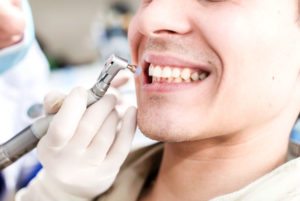
Your bite should feel comfortable to you when you close your teeth together. If it does not, you may need an occlusal adjustment. The goal of this treatment is to reshape any teeth that prevent your jaw from closing properly. Dr. Thomas Bissel can identify high contact points and then selectively grind down the teeth that are causing the problem. It is possible that a previously placed restoration, like a crown or filling is causing the problem and these may also need to be adjusted to restore oral health and comfort.
For more information about TMJ symptoms and treatments, contact our office. Dr Bissell has extensive experience with this condition and can provide you with in-office treatment and at-home therapies to help you feel well again.